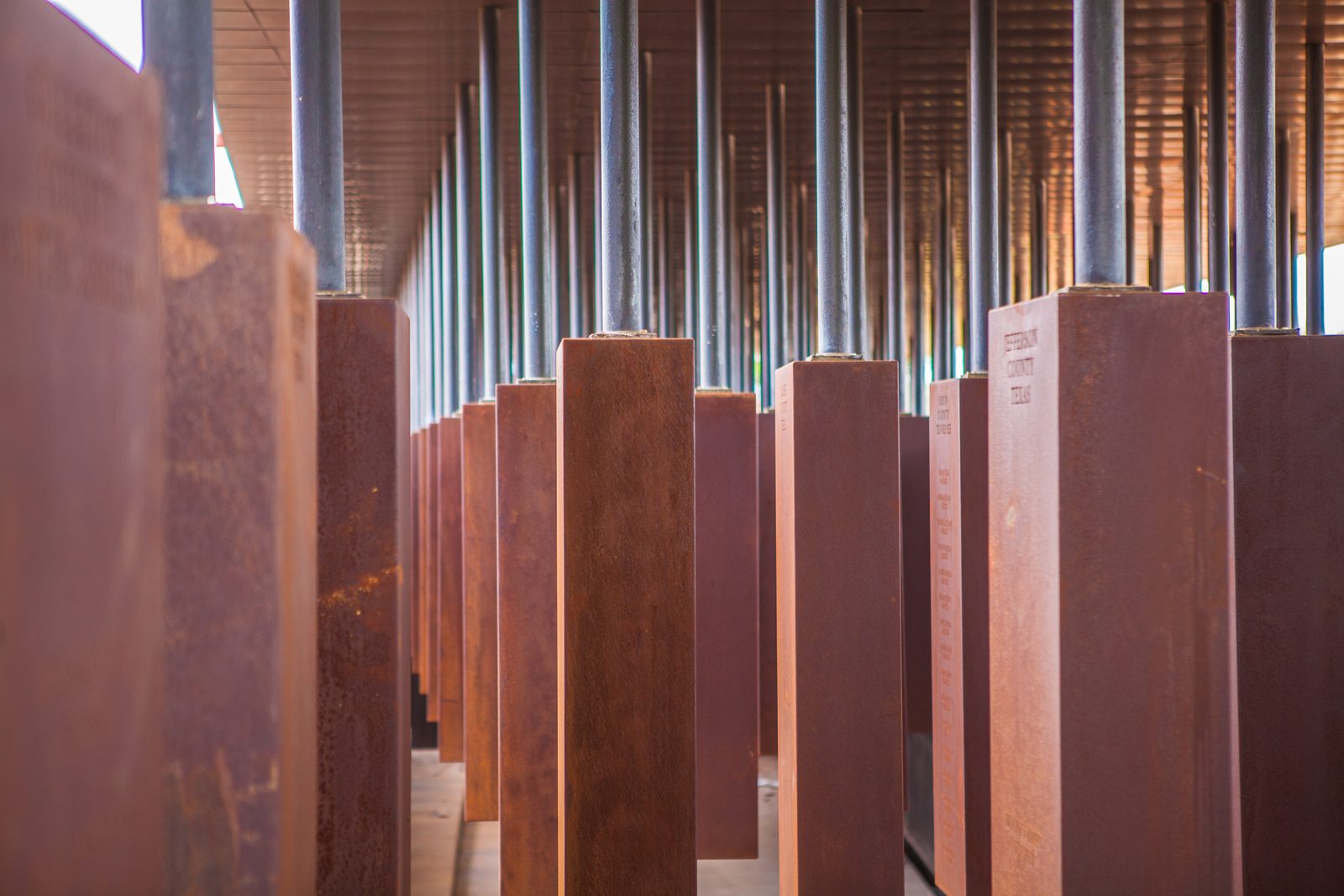
Interpretation usually begins with content. Trauma-informed interpretation begins with relationship — with the communities whose histories will enter a public space, and with the visitors who will encounter them there.
That means two different sets of questions. For communities: who owns this knowledge, on what terms is it being shared, and what does the institution need to demonstrate before that sharing is possible? For visitors: what are they carrying when they arrive, what control do they have over what they encounter, and what does the space owe them when the content is difficult?
These aren’t separate concerns. The same design ethic that respects a community’s authority over its own story also respects a visitor’s authority over their own experience of it.
At Parman & Carnes, trauma-informed interpretation isn’t a sensitivity review applied to finished content. It structures every decision — from the first community conversation to the final panel specification. Scholars in heritage studies have begun naming what practitioners have long understood: that “psychological trauma has been largely unexamined in the field of heritage studies,” and that designing without this awareness causes harm (Atkinson, Trauma-heritage, 2024). We take that as a baseline, not a benchmark.
The work moves through three connected phases.
Coming to Relationship
Before any interpretive content is written, someone has to show up. Not with an agenda or a questionnaire — with time, presence, and the willingness to listen without knowing yet what will be made.
We attend the meeting before we ask anyone to come to us. We provide questions in advance. We honor extended timelines set by communities themselves. This is what relational accountability looks like in practice — Alice Parman’s methodology, grounded in more than five decades of fieldwork, is built on non-interference: communities, not consultants, determine the pace and shape of their own engagement.
Amy Lonetree (Ho-Chunk), in Decolonizing Museums: Representing Native America in National and Tribal Museums (2012), argues that meaningful Indigenous representation requires museums to “speak the hard truths of colonialism” and to address “the persistent legacies of historical unresolved grief in Native communities.” For Lonetree, that work is not possible without deep, sustained partnership — not consultation, but co-creation with communities who hold the knowledge that makes interpretation honest. Anything less reproduces the extractive dynamic the institution claims to be correcting.
The Oral History Association’s Guidelines for Social Justice Oral History Work frame consent not as a form to sign at the start of a project but as a continuous, ongoing practice — a conversation that evolves as trust is built and as people decide, over time, how much they want to share and how. The CARE Principles for Indigenous Data Governance (Carroll et al., 2020) go further: Indigenous communities hold the authority to control their own data — including oral histories, cultural knowledge, and stories held in living memory — and practitioners are accountable to those communities throughout the life of a project, not only at its beginning.
Generating conversation also means going where people already are. Nina Simon, in The Participatory Museum (2010), argues that the onus is on institutions to enter communities before asking those communities to engage with what the institution is making. The project begins with a gathering, not a desk review.
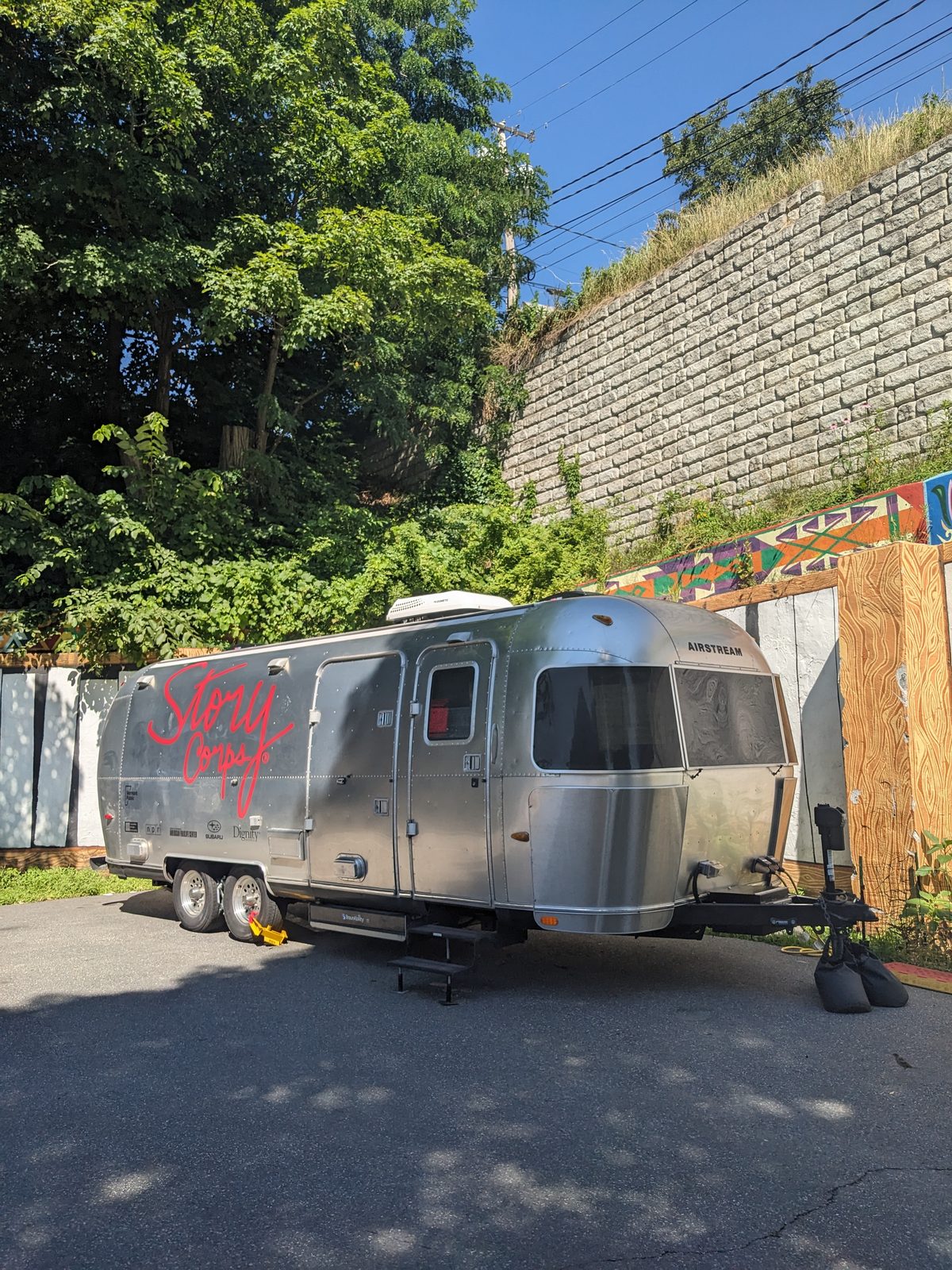
StoryCorps, founded in 2003, has built one of the largest oral history archives in the world on precisely that premise. The recording studio goes to the people — not the other way around. Every session pairs two people in conversation, supported by a trained facilitator but not directed by one. The narrator keeps a copy; a second goes to the Library of Congress. Since 2003, more than 700,000 conversations have been recorded across all 50 states: in hospitals, schools, military bases, and communities navigating grief, displacement, and crisis. The MobileBooth brings the recording space to wherever the story already lives. That reversal of the institutional default — we come to you, not you to us — is not a logistical decision. It is a statement about whose time matters and whose story belongs to whom.
Receiving Story
The Oral History Association makes a deliberate choice in terminology: the people who share their stories are called narrators, not interviewees. The word matters. An interview positions the institution as the one with the questions; a narrator is someone exercising agency over their own account.
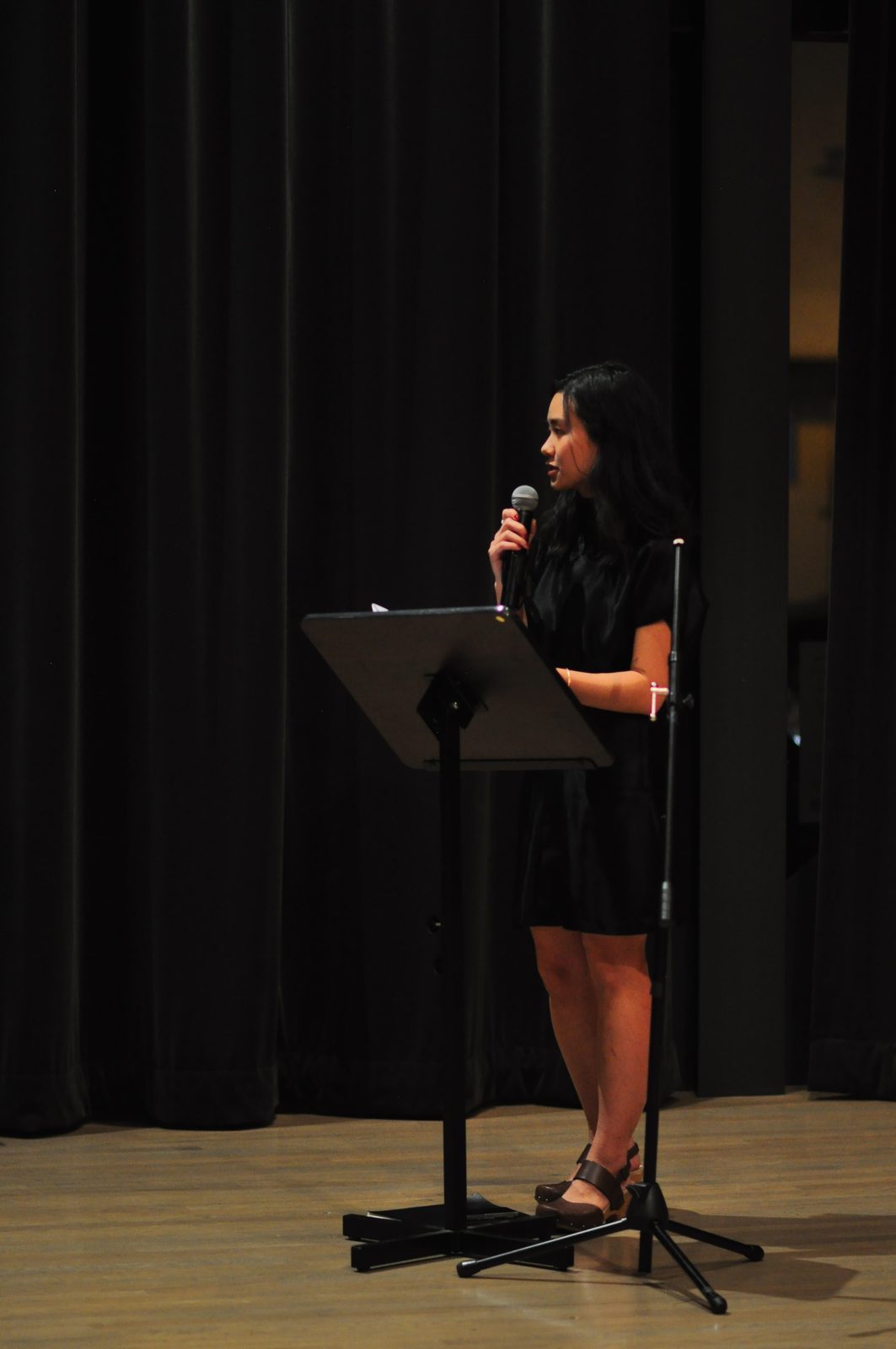
Voice of Witness, the ethics-driven oral history organization founded on the principle that human rights crises must be understood through the people who live them, has developed a trauma-informed storytelling framework built around narrator dignity. Their practices include letting narrators lead where the conversation goes; beginning and ending sessions with comfortable, casual conversation; making space for nuance and joy alongside difficulty; and, above all, avoiding the exploitation of a narrator’s experiences for interpretive effect.
“Nothing about us without us.”
James I. Charlton, disability rights scholar and activist, 1998
For Indigenous communities, and for communities whose stories have been extracted without consent throughout colonial history, these practices carry particular weight. Lonetree names what is at stake when institutions fail here: exhibition content developed without genuine community authority doesn’t just get the story wrong — it perpetuates harm by making communities objects of interpretation rather than its authors. The CARE Principles establish that oral histories and cultural knowledge belong to the communities they come from. Communities determine what, if anything, enters the public record. We build that determination into the structure of every project from the first conversation.
The Witness Blanket gives this principle physical and legal form. Created by Carey Newman (Hayalthkin’geme), a Kwakwaka’wakw and Stó:lō artist, the installation is made from more than a thousand objects reclaimed from residential schools, churches, and government buildings across Canada — gathered over twelve months, across 200,000 kilometres and 77 communities. Newman described his process as asking consent at each step: not a form to complete at the outset, but a continuous act of articulating his intentions, listening to each community’s response, and waiting. The work is now permanently housed at the Canadian Museum for Human Rights in Winnipeg under a stewardship agreement unlike any that had come before it: legal rights vest in the artwork itself — not in Newman, not in the museum. The agreement was ratified through both written documents and an oral ceremony, given equal legal weight. The story doesn’t belong to the institution. The agreement says so.
“My role as an artist is to bear witness. The pieces themselves are witnesses. The people giving us the pieces are witnesses, and at some level we all are — or we should all be — witnesses.”
Carey Newman (Hayalthkin’geme), creator of the Witness Blanket
The phrase Nothing about us without us — drawn from the disability rights movement and given its fullest articulation by James I. Charlton in his 1998 book of the same name — is a standard we hold across all our work with communities whose stories have historically been told by others, about them, without them, and often against them. Every participant shapes how their narrative is used. No story moves forward without the consent of the person who told it.
Weaving Something to Share — and Meeting People Where They Are
What comes out of these conversations has to be made into something. The interpretive planner’s job at this stage is to step back — to create conditions for community voices to be heard directly, rather than translated, summarized, or absorbed into an institutional voice. Richard Sandell, Professor of Museum Studies at the University of Leicester, identifies this as one of the defining challenges in socially responsible interpretation: museums must do more than represent communities — they must create exhibition environments that contest dominant narratives and actively expand what visitors understand to be possible (Museums, Prejudice and the Reframing of Difference, 2007). That requires community authorship, not community consultation.
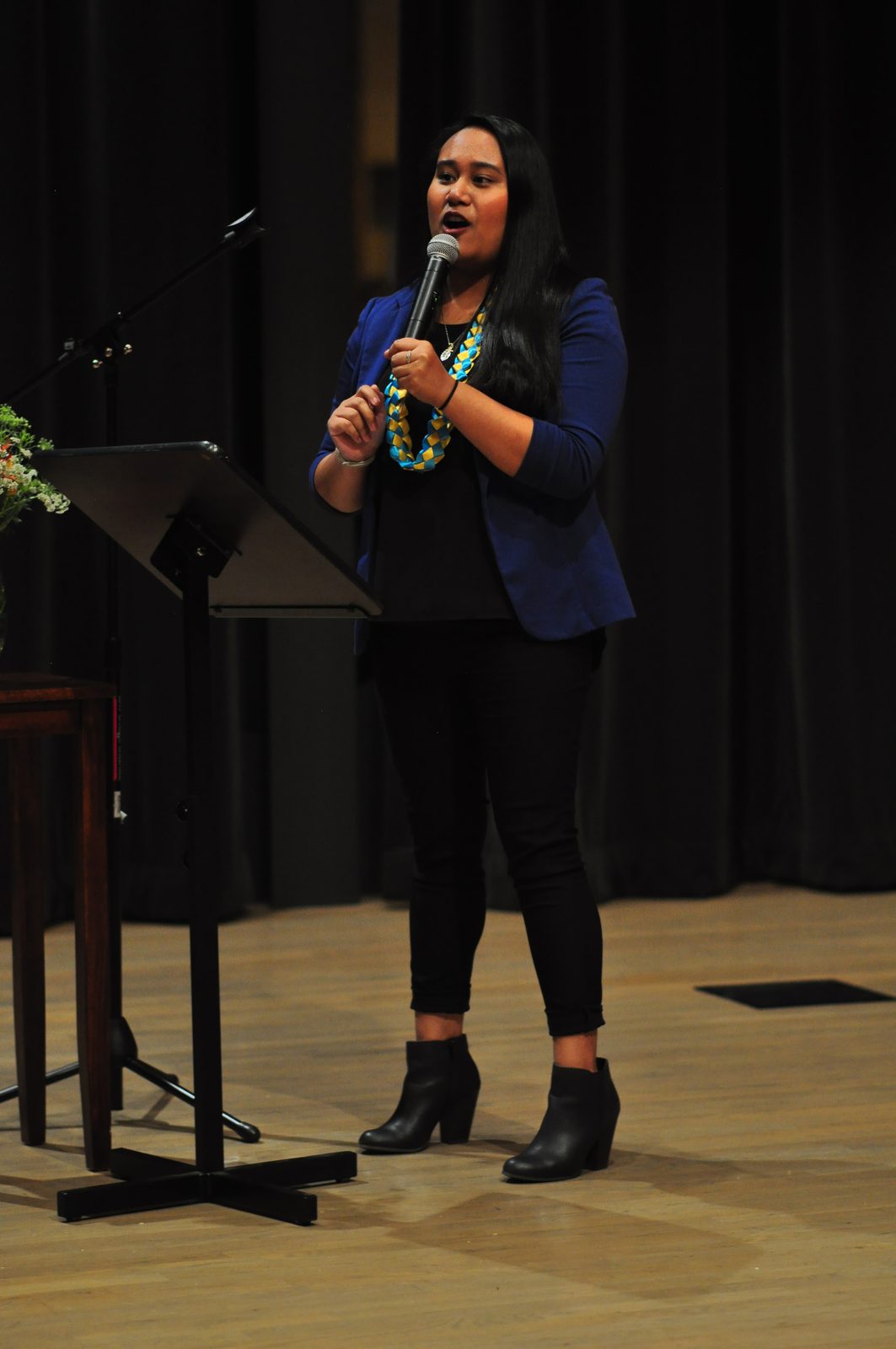
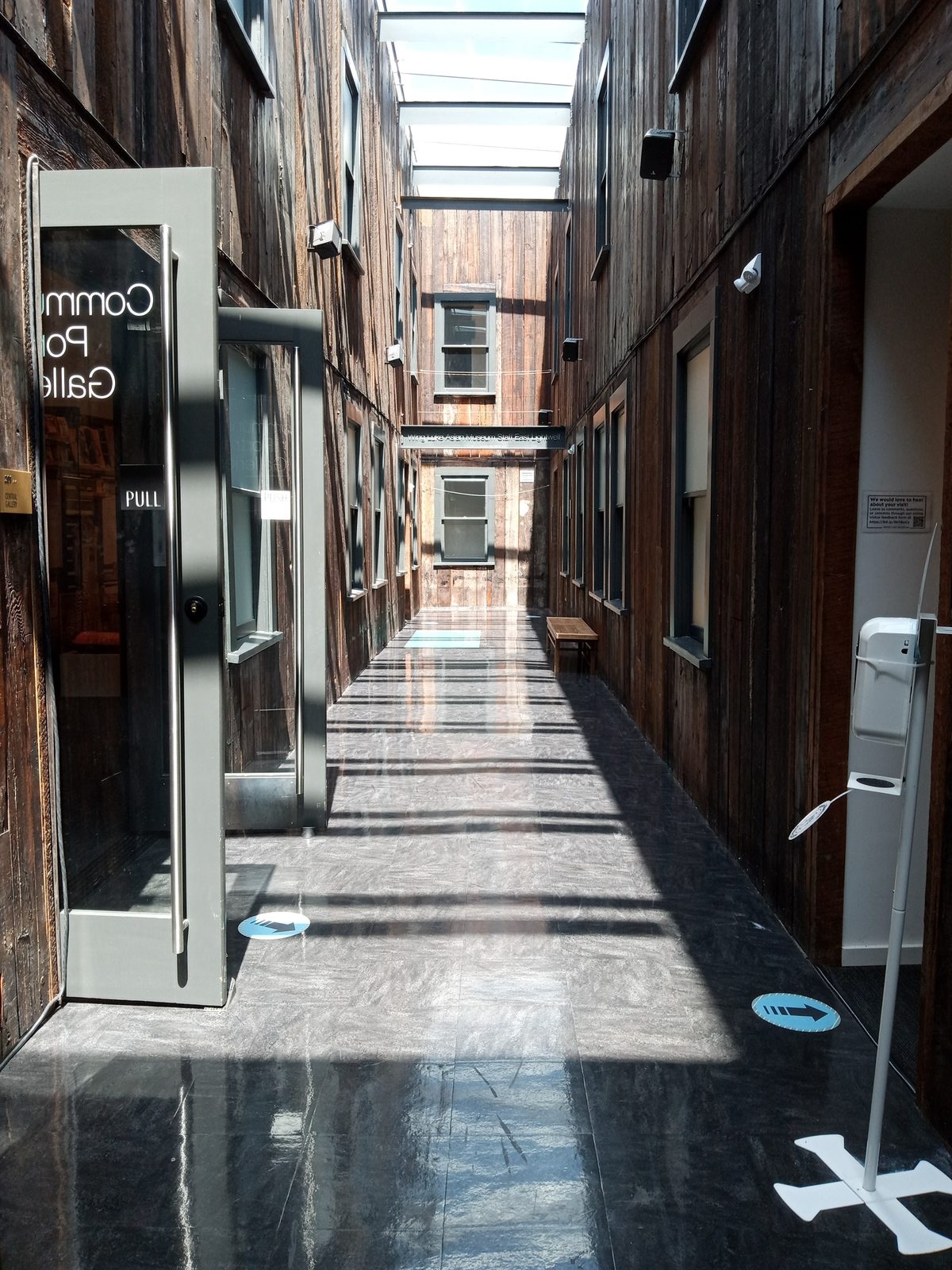
The Wing Luke Museum of the Asian Pacific American Experience in Seattle has developed one of the most rigorous community-authorship models in the field. Every exhibition is built with a Community Advisory Committee composed of individuals with direct personal experience or cultural expertise. That committee — not museum staff — determines the exhibit’s objectives, themes, and content. In many cases, a community member writes the actual exhibit text. Wing Luke describes it plainly: community members are the curators.
How visitors receive difficult content
Once the interpretive space is open to the public, how it’s entered matters as much as what it contains. The research on this is unambiguous and somewhat counterintuitive: standard content warnings don’t work the way designers hope. A 2024 meta-analysis of 17 empirical studies (Bridgland, Jones & Bellet) found that trigger warnings reliably increase anticipatory anxiety in visitors before they encounter difficult content — but have no measurable effect on how people actually process that content, or whether they choose to avoid it. Warnings framed as “this content may be disturbing” prime visitors for threat before they’ve experienced anything.
What the research does support is different framing entirely. A 2024 clinical study found that modifying warning language to emphasize self-efficacy — “this content may trigger temporary discomfort, which is expected and manageable” — produced meaningfully better outcomes. Visitors internalized the message: they reminded themselves that distress fades, and they approached difficult content as something they could handle rather than something to escape. The American Alliance of Museums drew the same conclusion in its 2024 guidance: language that emphasizes visitor agency produces a different invitation than language that emphasizes external threat.
This is not a semantic distinction. Trauma is, at its core, about loss of control. Every design decision that returns control to the visitor is itself a therapeutic act.
Layered depth: the “go deeper” structure
Visitor-determined experience requires more than a well-worded advisory at the door. It requires the interpretive space to be physically and informationally structured so that people can engage at the level they choose.
Beverly Serrell’s foundational research on exhibit label behavior (Exhibit Labels: An Interpretive Approach, 2nd ed., 2015) established that visitors do not read sequentially. Most sample — scanning the room, pausing at what draws them, leaving what doesn’t. Only about a fifth of visitors engage deeply with written content. This is not a failure of attention; it is how visitors actually work. Effective interpretation is designed for all of them, not just the one-in-five.
That means organizing content in layers. The surface layer is legible at a glance — a clear theme or question, readable from a distance, understandable without context. The mid-layer offers more: a first-person narrative, a specific story, a detail that rewards those who stop and read. The deep layer is for visitors who want to stay — extended audio, an oral history excerpt, a longer record. This layer is always optional. It is offered, never required.
Exit points are structural, not apologetic. Every zone should allow a visitor to pause, step back, or leave without narrative punishment — without having to interrupt a sequence or miss “the point.” Difficulty is not the goal. Encounter is. And encounter has to be chosen, not administered.
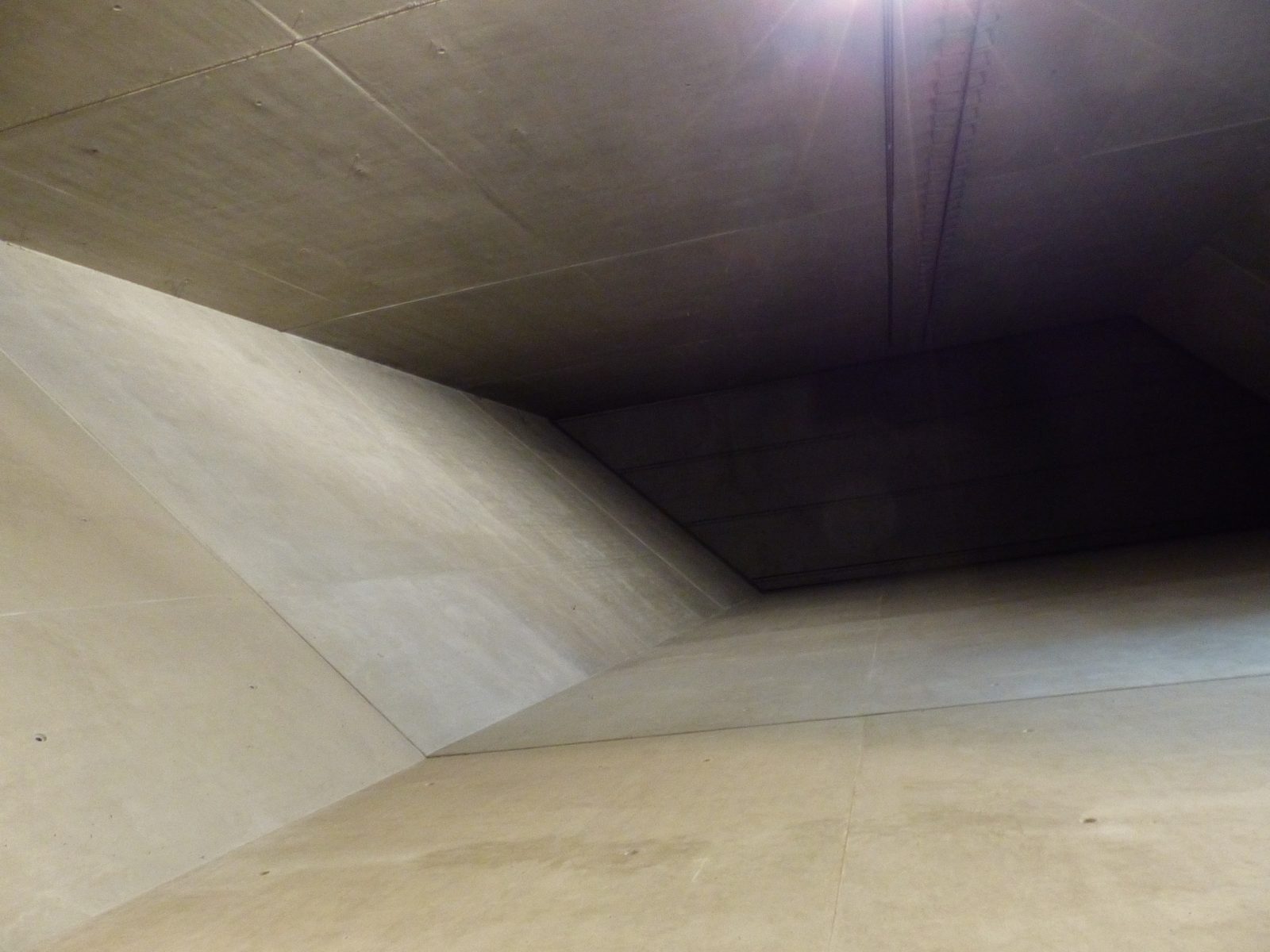
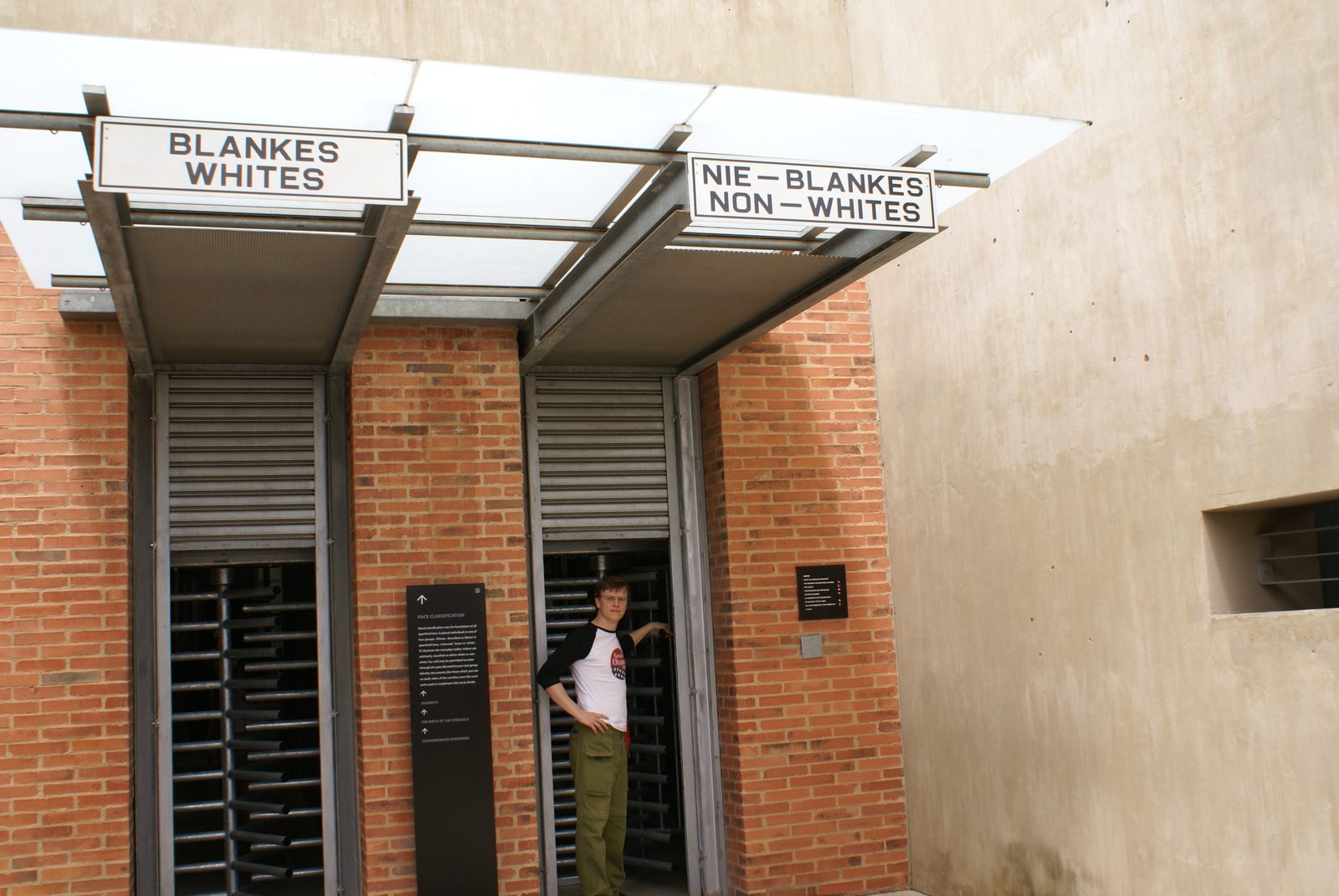
Architecture can hold all of this. Daniel Libeskind’s Jewish Museum Berlin (2001) organizes the building around voids — tall, unheated concrete shafts that visitors can enter or pass by. Nothing inside them explains or labels. They are spaces of deliberate incompleteness, and each visitor decides whether to enter and how long to stay. The architecture invites; the visitor answers on their own terms. The Apartheid Museum in Johannesburg takes a different approach: visitors are assigned a racial identity at the ticket window and directed through separate “White” or “Non-White” gates. The path is determined, not chosen — a deliberate decision to make the machinery of apartheid visceral and specific. Both strategies enact the same principle: what the visitor’s body experiences in the space is part of the interpretation.
Elaine Heumann Gurian, one of the field’s most influential thinkers on museum ethics, has long argued that museums should be “safe spaces for unsafe ideas” — places where difficult content can be encountered without the visitor feeling unsafe as a person (Centering the Museum, 2022). The distinction is precise: the ideas can be hard; the visitor must feel held. Layered interpretation, legible exit points, and agency-centered advisories are the design vocabulary for that holding.
Joy belongs here too. A trauma-informed interpretive space is not only a site of witness and reckoning. It is also a place where people can inhabit a space on their own terms — where depth is always available, and so is rest, play, and belonging. Restorative design is not separate from trauma-informed practice. It is part of it.
The National Museum of African American History and Culture (Smithsonian, 2016) builds this into the architecture: visitors descend into dark, heavily material history galleries and ascend through escalators into bright, open culture galleries — music, sport, community life, culinary tradition. The Contemplative Court, a quiet circular space with cascading water, offers room to process between encounters with difficult content. The Sweet Home Café celebrates regional African American culinary traditions. Grief and joy share the building because they have always shared the same lives.
At the International African American Museum in Charleston (opened 2023), landscape architect Walter Hood designed the African Ancestors Memorial Garden to hold “contemplation, celebration, and fraught memories” in the same space — a Palm Grove, a Sweetgrass Field, an infinity reflection pool, and a tidal installation that fills and empties with the harbor. Hood was deliberate: the garden insists that Black Americans are more than the hardships they faced.
At Wing Luke, the Ford Foundation Community Hall is named space in the floor plan — for community gatherings, Lunar New Year fairs, Filipino American History Month programs, oral history workshops. The celebration is a legitimate use of the building. At Weeksville Heritage Center in Brooklyn, the interpretive space preserves one of America’s first free Black communities — people who built their own schools, newspaper, hospital, and homes while slavery was still legal elsewhere. The center holds primarily a story of vitality and self-determination. Belonging not as something to recover, but as something that was made, and can be made again.
These are the places we look to. They demonstrate what it means to build trauma-informed practice all the way in — not as an overlay on finished content, but into the architecture, the floor plan, the landscape, the menu.
This is the ethic that guides our work: not a framework to apply, but a way of being in relationship with the communities whose memory a place carries.
Atkinson, Rowland. “Trauma-heritage: towards a trauma-informed understanding of heritage.” International Journal of Heritage Studies (2024; doi:10.1080/13527258.2024.2342286).
Bridgland, Victoria M.E., Payton J. Jones, and Benjamin W. Bellet. “A Meta-Analysis of the Efficacy of Trigger Warnings, Content Warnings, and Content Notes.” Clinical Psychological Science 12, no. 1 (2024; doi:10.1177/21677026231186625).
Carroll, S.R., et al. “The CARE Principles for Indigenous Data Governance.” Data Science Journal 19.1 (2020; doi:10.5334/dsj-2020-043).
Charlton, James I. Nothing About Us Without Us: Disability Oppression and Empowerment (University of California Press, 1998).
Heumann Gurian, Elaine. Centering the Museum: Writings for the Post-Covid Age (Routledge, 2022).
Lonetree, Amy. Decolonizing Museums: Representing Native America in National and Tribal Museums (University of North Carolina Press, 2012).
Newman, Carey (Hayalthkin’geme). The Witness Blanket: Truth, Art and Reconciliation (Heritage House, 2015; witnessblanket.ca).
Oral History Association. Guidelines for Social Justice Oral History Work (oralhistory.org).
Sandell, Richard. Museums, Prejudice and the Reframing of Difference (Routledge, 2007).
Serrell, Beverly. Exhibit Labels: An Interpretive Approach, 2nd ed. (Rowman & Littlefield, 2015).
Simon, Nina. The Participatory Museum (Museum 2.0, 2010; participatorymuseum.org).
StoryCorps, founded 2003 (storycorps.org).
Voice of Witness. Trauma-Informed Storytelling Practices (voiceofwitness.org).
American Alliance of Museums. “Content Warnings in Museums and Galleries: Taking a Proactive Approach” (2024; aam-us.org).
Equal Justice Initiative. The National Memorial for Peace and Justice (legacysites.eji.org).
International African American Museum, Charleston, SC (opened 2023; iaamuseum.org).
National Museum of African American History and Culture, Smithsonian Institution (2016; nmaahc.si.edu).
Weeksville Heritage Center, Brooklyn, NY (weeksvillesociety.org).
Wing Luke Museum. Community-Based Exhibition Model (wingluke.org).
Photographs: individually credited in captions; all images used under Creative Commons licenses via Wikimedia Commons.