For many museum boards, the word “repatriation” triggers panic instead of principle. It sounds like loss — an asset walking out the door, months of unfamiliar process, headline risk. That panic is usually the biggest obstacle in the room, not the law itself and not the relationship with the Tribe on the other side of the table.
What follows is not theory. It is what three very different institutions — an all-volunteer museum in central Massachusetts, a university and county historical society in the Willamette Valley, and a state-run museum in Sacramento working through the process right now — actually did when it was their turn to have this conversation. None of them are the Smithsonian. All of them got somewhere.
Here is how to bring your board into the room ready to lead a decision, not just react to one.
The Law Your Board Actually Needs to Understand
Congress passed the Native American Graves Protection and Repatriation Act in 1990. For nearly three decades, implementation was slow enough that a 2010 federal watchdog report titled its findings plainly: After Almost 20 Years, Key Federal Agencies Still Have Not Fully Complied with the Act. That history is part of why boards still associate NAGPRA with open-ended obligation rather than a defined process.
The 2023 Final Rule changed the shape of that obligation. Published in the Federal Register on December 13, 2023 and effective January 12, 2024, it is the first total revision of NAGPRA’s implementing regulations in the law’s three-decade history. Three provisions matter most in a board meeting.
That third provision — the Duty of Care regulation — is the one boards misread most often. It does not require removing anything. It requires asking first. Museums and federal agencies must now obtain free, prior, and informed consent from lineal descendants, Tribes, or Native Hawaiian organizations before any exhibition of, access to, or research on covered human remains or cultural items. Melanie O’Brien, manager of the National NAGPRA Program, described the intent behind the whole rule this way: “We’re trying to get back to what Congress intended…that got somehow misunderstood between then and now.”
The federal-funding trigger is also broader than most boards assume, and the pandemic made that concrete. NAGPRA’s definition of “receives Federal funds” covers essentially any federal financial assistance — grants, cooperative agreements, loans, or contracts — not just a dedicated federal collections grant. That includes small-business COVID relief loans. Two small, privately funded museums in the Klamath region — the Favell Museum of Native American Artifacts and Contemporary Western Art in Klamath Falls, Oregon, and the End of the Trail Museum in Klamath, California — each took out Paycheck Protection Program loans under the CARES Act in 2020 and 2021 to keep staff employed through the pandemic. Neither museum had previously considered itself subject to NAGPRA; the Favell Museum’s own website stated it “receives no government funds.” A federal SBA loan taken to cover payroll, not collections, was enough to put both museums’ collections within NAGPRA’s reach. As Melanie O’Brien put it: “This will likely have an impact on private collections that previously did not have NAGPRA obligations.” A scoped diagnostic review is usually the fastest way to find out where your own institution actually stands — including funding your board may not think of as “federal” at all — rather than guessing from a decades-old accession log.
What happens when a board doesn’t get ahead of this is visible and public. When the Rule took effect in January 2024, some of the country’s largest institutions — including the American Museum of Natural History and Chicago’s Field Museum — had to abruptly cover or close major Native American exhibits because they had not yet secured the consent the new regulation required. Rebuilding AMNH’s affected halls alone is expected to take years and cost tens of millions of dollars. That is the cost of waiting for a deadline to force the conversation instead of having it early — and it is exactly what boards at small and mid-sized museums can avoid.
Case Study: An All-Volunteer Board, and One Vote
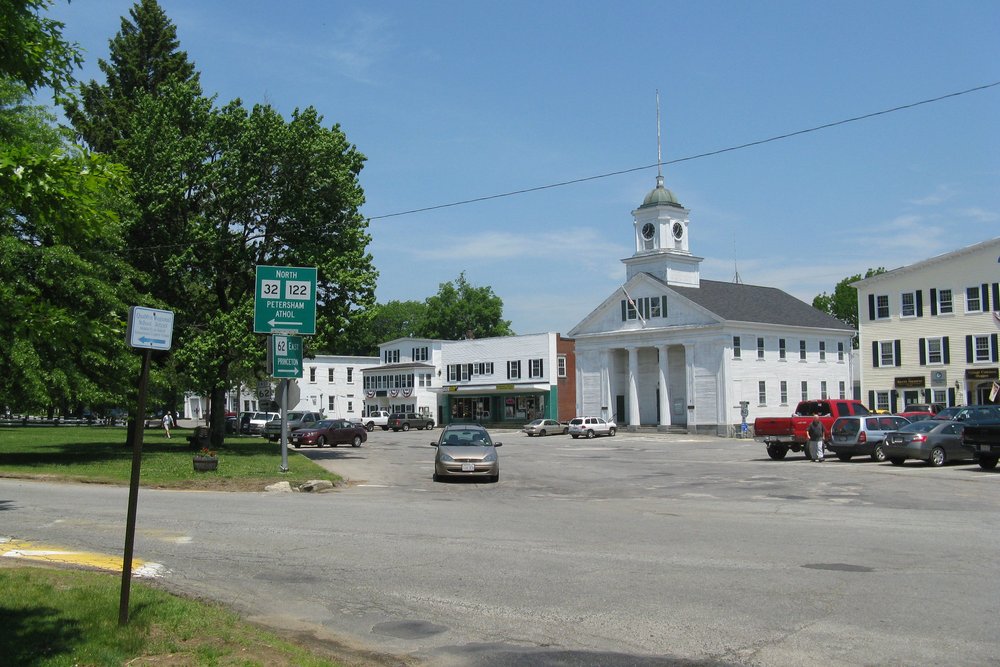
The Founders Museum in Barre, Massachusetts is about as small as museums get: a volunteer-run local collection, largely unchanged since 1885, holding roughly 60,000 objects donated mostly by amateur 19th-century collectors. NAGPRA does not technically apply to it — it is a private museum with no federal funding. Its board chose to follow NAGPRA’s process anyway.
The materials at the center of the story arrived through Frank Root, described by the Associated Press as “a traveling shoe salesman who collected the items on his journeys during the 19th century, and once had a road show that rivaled P.T. Barnum’s extravaganzas.” Root donated his Native American collection to the museum in 1892. Among the roughly 600 items were 150 objects connected to the 1890 Wounded Knee Massacre — clothing, pipes, moccasins, and weapons taken from the dead by a worker clearing the battlefield.
Museum president Ann Meilus spent almost 30 years trying to return them.
“I have been working on repatriating these artifacts for almost 30 years to the Lakota tribe. It has been a very difficult process due to third party interference and changing the minds of the membership.”
Ann Meilus, President, Founders Museum
The turning point was not a sweeping resolution. It was a single, scoped vote. On April 13, 2022, members of the Barre Museum Association voted at their annual meeting to continue the repatriation effort under the guidance of a NAGPRA specialist, Dr. Aaron Miller. That vote authorized everything that followed: testing the objects for arsenic and mercury (both were present, at levels safe for return), photographing every item to NAGPRA documentation standards, and finally, in November 2022, welcoming representatives of the Oglala Sioux and Cheyenne River Sioux Tribes to Barre for a public return ceremony.
“Ever since that Wounded Knee massacre happened, genocides have been instilled in our blood,” Surrounded Bear, a 20-year-old Pine Ridge resident, told the Boston Globe. “And for us to bring back these artifacts, that’s a step towards healing. That’s a step in the right direction.”
Meilus estimated the 150 returned pieces were only about a quarter of the museum’s Native American holdings, drawn from more than 60 tribes — meaning the board’s work is ongoing. The lesson for any board, large or small: you don’t need a federal mandate to start, and you don’t need consensus on the whole undertaking to take the first real step. You need one clear vote.
Case Study: Oregon’s Own — the Horner Collection
Closer to home, Oregon has its own version of this story — and it’s one worth knowing for any board in this state.
John Horner was an agriculture professor and amateur taxidermist at what was then Oregon Agricultural College. He opened an on-campus natural history museum in 1925; after his death it was renamed the John B. Horner Museum of the Oregon Country. By the 1950s the collection had been relocated to the basement of Gill Coliseum, Oregon State University’s basketball arena, where it stayed until funding ran out and the museum closed in 1995.
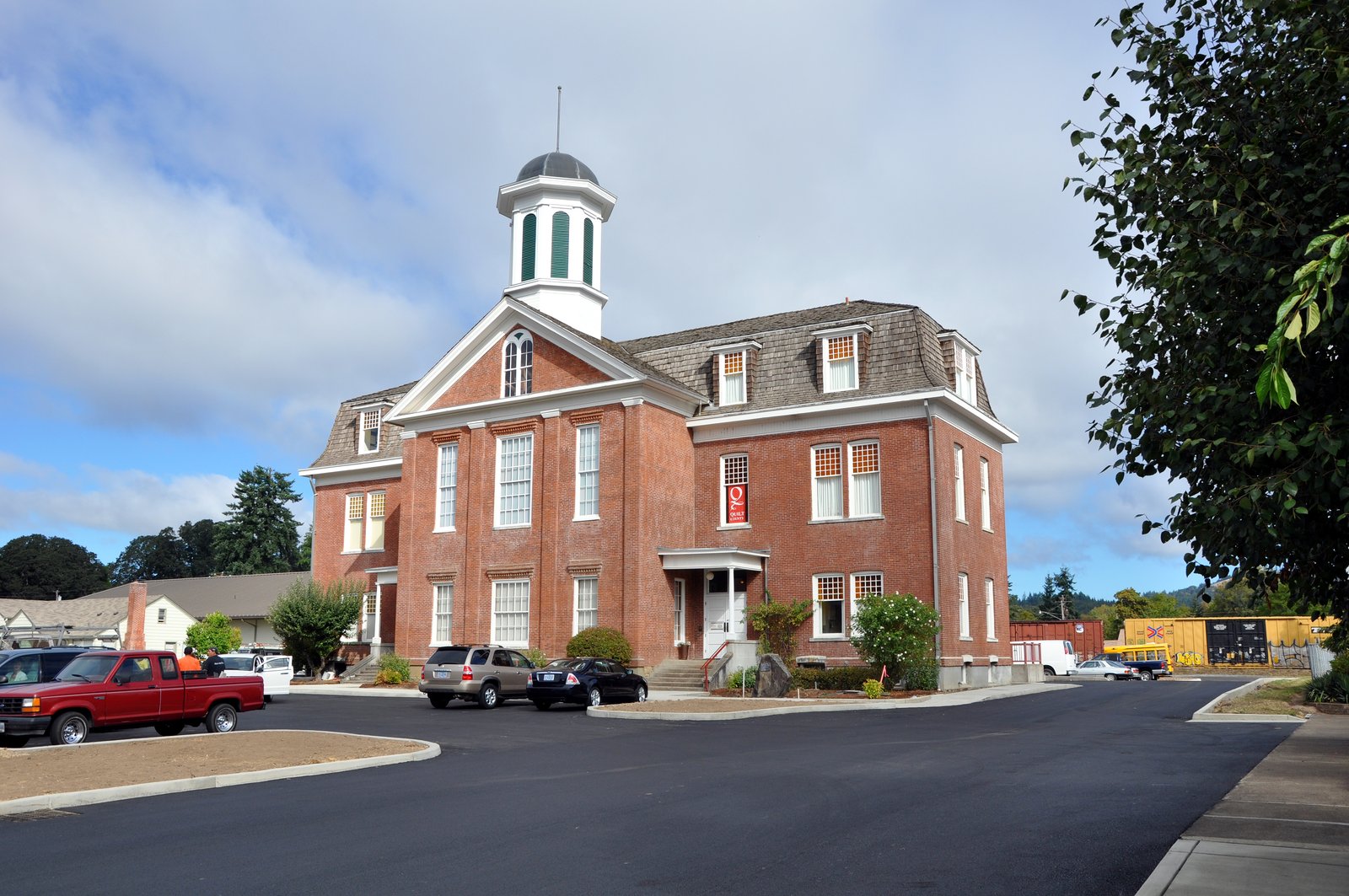
In 1998, the Benton County Historical Society agreed to take over the roughly 60,000-item collection, built a dedicated facility to house it, and formally acquired it in 2005. Amateur collectors had donated close to 4,000 Native American artifacts to the Horner Museum over the decades, drawn from tribes across the country. In 2008, in a joint decision, Oregon State University and the Benton County Historical Society returned 900 indigenous artifacts to Oregon and California tribes — not only the items NAGPRA legally required, but hundreds more besides.
What makes this case worth bringing to your own board is exactly that last detail: a university and a county historical society, working together, chose to go beyond the legal floor. That decision required exactly the kind of alignment — between an institutional board, a partner organization, and a public mission — that any small museum board can replicate at its own scale.
Case Study: A State Museum Working the Process, Right Now
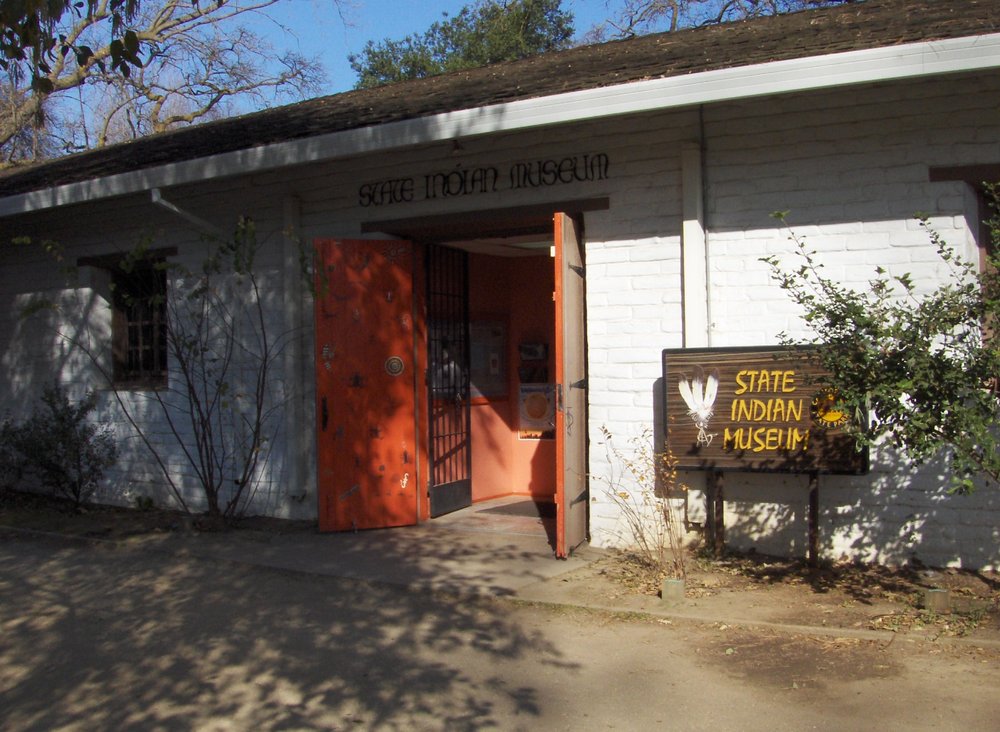
Not every useful example is a finished story. The State Indian Museum in Sacramento — small, operated by California State Parks on the grounds of Sutter’s Fort — is a live one. Across 2025, both California State University, Sacramento and the California Department of Parks and Recreation have published a sequence of formal Federal Register notices connected to the museum’s collections: a Notice of Intent to Repatriate Cultural Items in May, a Notice of Intended Repatriation in June, and a further Notice of Intended Repatriation in December — each moving specific, named cultural items through the process the Final Rule now requires.
For a board that thinks of repatriation as something other, larger institutions deal with, this is useful evidence otherwise: a small state museum is working through exactly this process, in public, on the government’s own official record, right now. The five-year clock the Final Rule started in January 2024 is not hypothetical for any institution holding covered items — it is already running.
What This Means in the Boardroom
Every board eventually needs the same conversation, structured the same way, whether the institution is a 140-year-old volunteer museum or a university system. Here is what that conversation should cover.
Start with the reframe, not the request
Before presenting any specific case, get the board comfortable with what repatriation actually is: returning items that were never rightfully the museum’s to keep in the first place — not a donation, a sale, or a favor to a Tribe. Under NAGPRA and Oregon’s own state repatriation statutes, this is a legal and ethical obligation. Framed well, meeting that obligation is a mission opportunity, not a mission threat. Ann Meilus and the Barre Museum Association didn’t have a legal obligation at all — they had a mission, and a membership willing to vote on it.
Bring data, not vibes
Boards trust numbers. Before the meeting, know roughly how many items in your collection may be subject to NAGPRA or state law, whether any Notices of Intended Repatriation or Inventories are already on file, and whether federal funding reaches your institution at all. It usually does, more often than boards expect. A scoped diagnostic review can produce this picture in weeks — not the vague sense that there’s “a lot of Native material somewhere” in a decades-old accession log, the way the Horner Collection sat for years before anyone took inventory of what it actually held.
Name the real cost of doing nothing
A board’s first instinct is often “let’s wait and see.” Gently correct that: waiting is itself a decision, and usually the more expensive one — legally, reputationally, and relationally. The five-year re-inventory deadline is already running. AMNH and the Field Museum learned the cost of not being ready in January 2024, in full public view. Most boards respond well to risk-management framing once it’s presented plainly, rather than as an abstract ethical appeal.
Address the “we’ll lose everything” fear directly
This comes up almost every time, and it’s worth meeting head-on. Only items meeting specific legal definitions are affected — human remains, funerary objects, sacred objects, and objects of cultural patrimony. The Duty of Care provision reinforces this: it requires consent before exhibition, access, or research — a consent requirement, not a removal mandate. Handled proactively, that requirement becomes a chance to build a better, more accountable relationship with the exhibit’s subject — not just an empty case.
Bring the human story, not just the legal one
Data gets a board to attention. Story gets a board to yes. Ann Meilus didn’t win over 30 years of “third party interference and changing the minds of the membership” with a citation to the U.S. Code — she won it with the human stakes, repeated patiently, meeting after meeting. If you have a case — a person, a Tribe’s own words about what a particular belonging means — use it, respectfully and with permission.
“Boards don’t usually need convincing that repatriation is the right thing to do. They need a clear, manageable path to do it well.”
Come with a clear, scoped ask
Don’t ask the board to “solve repatriation.” Ask for something specific: approval of a diagnostic budget, authorization to open consultation with a named Tribe, or an update to accession policy. Small, concrete asks build board confidence — and momentum toward the next one. The Barre Museum Association didn’t vote to repatriate everything at once. They voted to continue the work under expert guidance. That was enough to carry the project through testing, documentation, and a public ceremony.
Build in a return visit
Repatriation work is not a single agenda item; it’s an ongoing relationship, both with the law and with the Tribes involved. Tell the board up front that they’ll hear from you again on a set cadence, not just once when there’s a crisis. That normalizes the process instead of letting it only surface during a fire drill — and it mirrors what Meilus herself found: the 150 objects returned in 2022 were only about a quarter of what the museum still holds. The conversation continues.
The Bottom Line
The boards that get this right treat repatriation the way they’d treat any other significant institutional commitment: informed, budgeted, and revisited regularly — not feared. None of the institutions in this piece are large. An all-volunteer museum in Massachusetts found its way there through one vote at an annual meeting. A university and a county historical society in Oregon found it through a joint decision to do more than the law required. A small state museum in Sacramento is finding it right now, one Federal Register notice at a time.
With the right framing, your board doesn’t need convincing that repatriation is the right thing to do. It needs a clear, manageable path to do it well — the same path a handful of volunteers in a 140-year-old museum already found.
National Park Service. “NAGPRA Regulations” and “Duty of Care FAQ” (nps.gov/subjects/nagpra).
43 CFR § 10.2, “Definitions for this part” (definition of “receives Federal funds”; ecfr.gov).
Kelley, Nanette. “Private Museums Could Face NAGPRA Scrutiny.” ICT (Indian Country Today), May 16, 2021 (ictnews.org).
U.S. Department of the Interior. “Interior Department Announces Final Rule for Implementation of the Native American Graves Protection and Repatriation Act.” Press release, Dec. 6, 2023 (doi.gov).
Kunze, Jenna. “Federal Government Overhauls NAGPRA to Expedite Return of Native Ancestral Remains.” Native News Online, Dec. 7, 2023 (nativenewsonline.net).
Rosenthal, Linda J. “Native-American Graves Repatriation: New Final Rule for Museums.” For Purpose Law Group, Mar. 17, 2024 (fplglaw.com).
Jacobs, Julia, and Zachary Small. “Leading Museums Remove Native Displays Amid New Federal Rules.” The New York Times, Jan. 26, 2024.
Holtzman, Emily R. “‘My Museum’s Reluctant Undertakers’: Repatriation After the 2023 NAGPRA Rule.” Columbia Journal of Law and Social Problems (2025; jlsp.law.columbia.edu).
Benzine, Vittoria. “A Massachusetts Museum Has Returned 150 Native American Artifacts — Including Some Connected to the Wounded Knee Massacre — to Lakota and Sioux Tribes.” Artnet News, Nov. 9, 2022 (news.artnet.com).
“Repatriation and NAGPRA in Oregon.” Horner Collection at Oregon State University case study (oregonnagpra.wordpress.com).
Federal Register. “Notice of Intent To Repatriate Cultural Items: California State University, Sacramento, Sacramento, CA,” May 8, 2025 (federalregister.gov).
Federal Register. “Notice of Intended Repatriation: California Department of Parks and Recreation, Sacramento, CA,” June 16, 2025 (federalregister.gov).
Federal Register. “Notice of Intended Repatriation: California State University, Sacramento, Sacramento, CA,” Dec. 16, 2025 (federalregister.gov).
Photographs: individually credited in captions; all images used under Creative Commons licenses via Wikimedia Commons.